
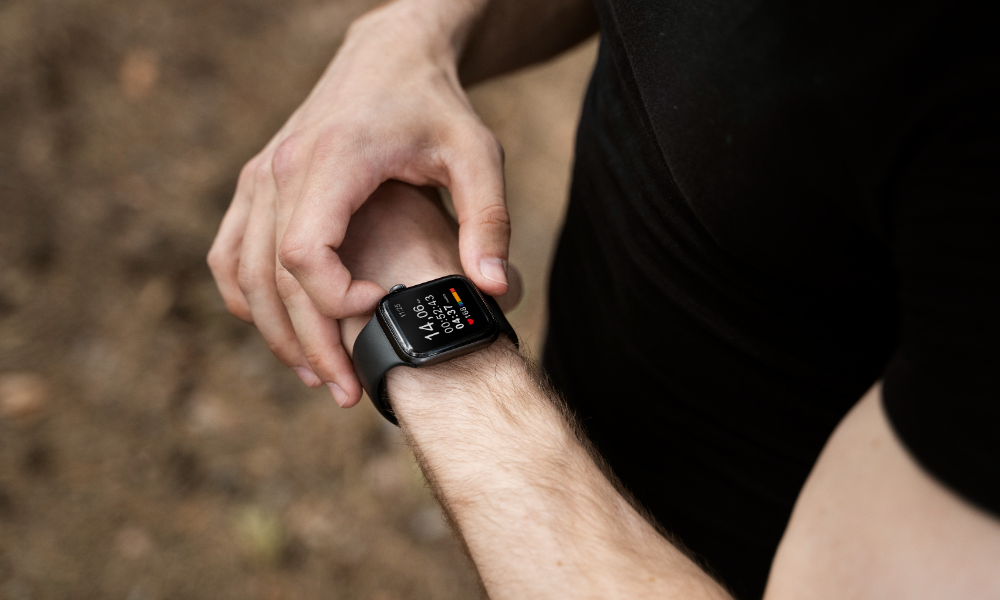
In recent years, wearable devices have taken the health and fitness world by storm. From fitness trackers to smartwatches, these handy gadgets have become an integral part of many lives, promising better health, fitness, and even disease prevention. But how do they really help, and what does the future hold for them? Let’s dive in.
What Are Wearable Devices?
Wearable devices are smart gadgets designed to be worn on your body, like a watch, ring, or even clothing. Popular examples include Fitbit, Apple Watch, and Oura Ring. These devices are packed with sensors that track various health metrics such as:
- Heart rate
- Steps and distance walked
- Calories burned
- Sleep patterns
- Blood oxygen levels
- Stress levels
Some advanced wearables even monitor blood pressure, detect irregular heart rhythms (like atrial fibrillation), and measure blood sugar levels.
The Impact of Wearables on Health
- Promoting Daily Activity – Research shows that wearable devices can increase physical activity levels. A 2022 study published in The Lancet Digital Health found that people who used fitness trackers walked an additional 1,800 steps per day on average, leading to significant health benefits like better cardiovascular health and reduced weight.
- Improved Sleep Quality – Wearables track your sleep stages and duration, helping you understand your sleep patterns. Data from Fitbit users shows that people who track their sleep are more likely to adopt habits like consistent bedtime routines, improving overall sleep quality.
- Early Detection of Health Issues – Wearables can provide real-time insights into your health. For example, the Apple Watch has been credited with saving lives by detecting atrial fibrillation early, prompting users to seek medical help before it was too late.
- Stress Management – Devices like Fitbit Sense monitor stress through skin temperature and heart rate variability. These insights can help users adopt stress-relief techniques like deep breathing or mindfulness.
The Future of Wearable Devices
Wearables are not just fitness tools; they are evolving into comprehensive health management systems. Here’s what the future holds:
- Advanced Medical Monitoring – Next-gen wearables are being developed to monitor blood glucose levels non-invasively, making life easier for diabetics. Devices like bio-patches might track hydration, electrolyte balance, or even detect early signs of infection.
- Personalized Health Insights – Artificial Intelligence (AI) in wearables will soon provide tailored advice. For instance, your smartwatch might recommend dietary changes based on your activity level and metabolic rate or suggest a meditation session after a stressful meeting.
- Preventive Healthcare – Wearables can become essential tools in preventive care. Data from these devices can help doctors identify early signs of chronic conditions like hypertension or diabetes, enabling timely interventions.
- Integration with Healthcare Systems – With wearable data seamlessly integrated into electronic medical records, doctors can have a clearer, real-time picture of their patients’ health. This can lead to better, more informed treatment plans.
How Much Difference Do They Make?
The difference wearables make is significant. Studies suggest that using wearables can reduce healthcare costs by as much as 16% by preventing hospital visits through early detection and promoting healthier habits. According to the American Heart Association, regular monitoring with wearable devices can reduce the risk of chronic diseases by up to 20%.
Should You Use a Wearable Device?
Absolutely! Whether you’re looking to lose weight, manage stress, or simply stay active, wearable devices can provide motivation and insights. However, remember that they’re not a substitute for medical advice. Always consult a doctor for health concerns.
Final Thoughts
Wearable devices are transforming how we approach health and wellness. With their ability to track, analyze, and provide actionable insights, they are empowering people to take control of their health like never before. As technology advances, their role in preventive healthcare will only grow, making them an essential part of modern medicine.
So, if you haven’t yet, consider investing in a wearable device—it might just be the smartest decision for your health!